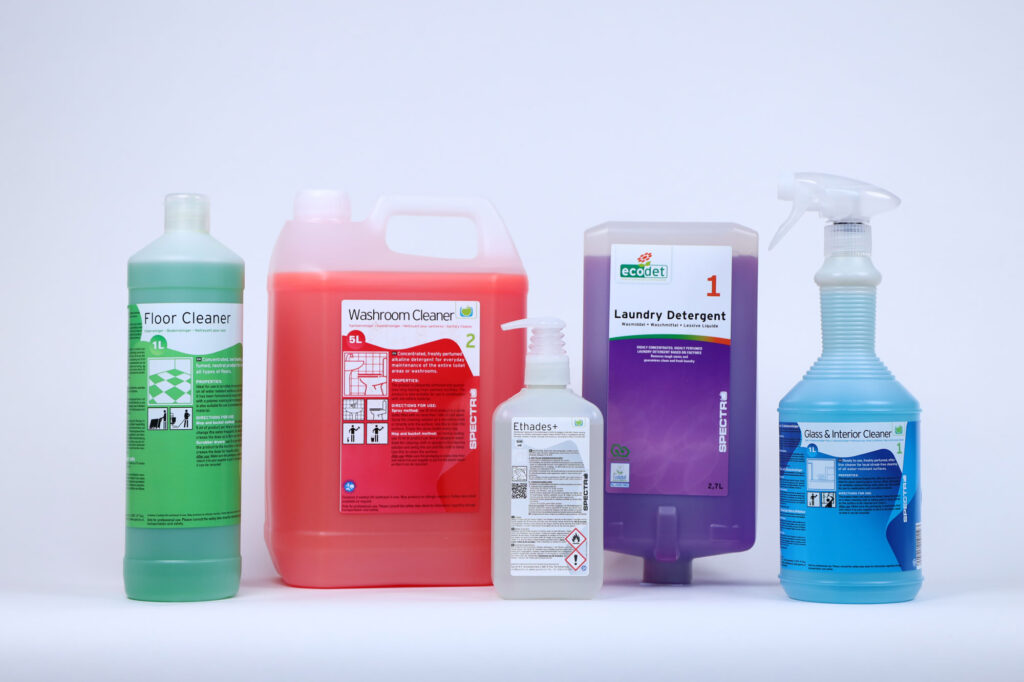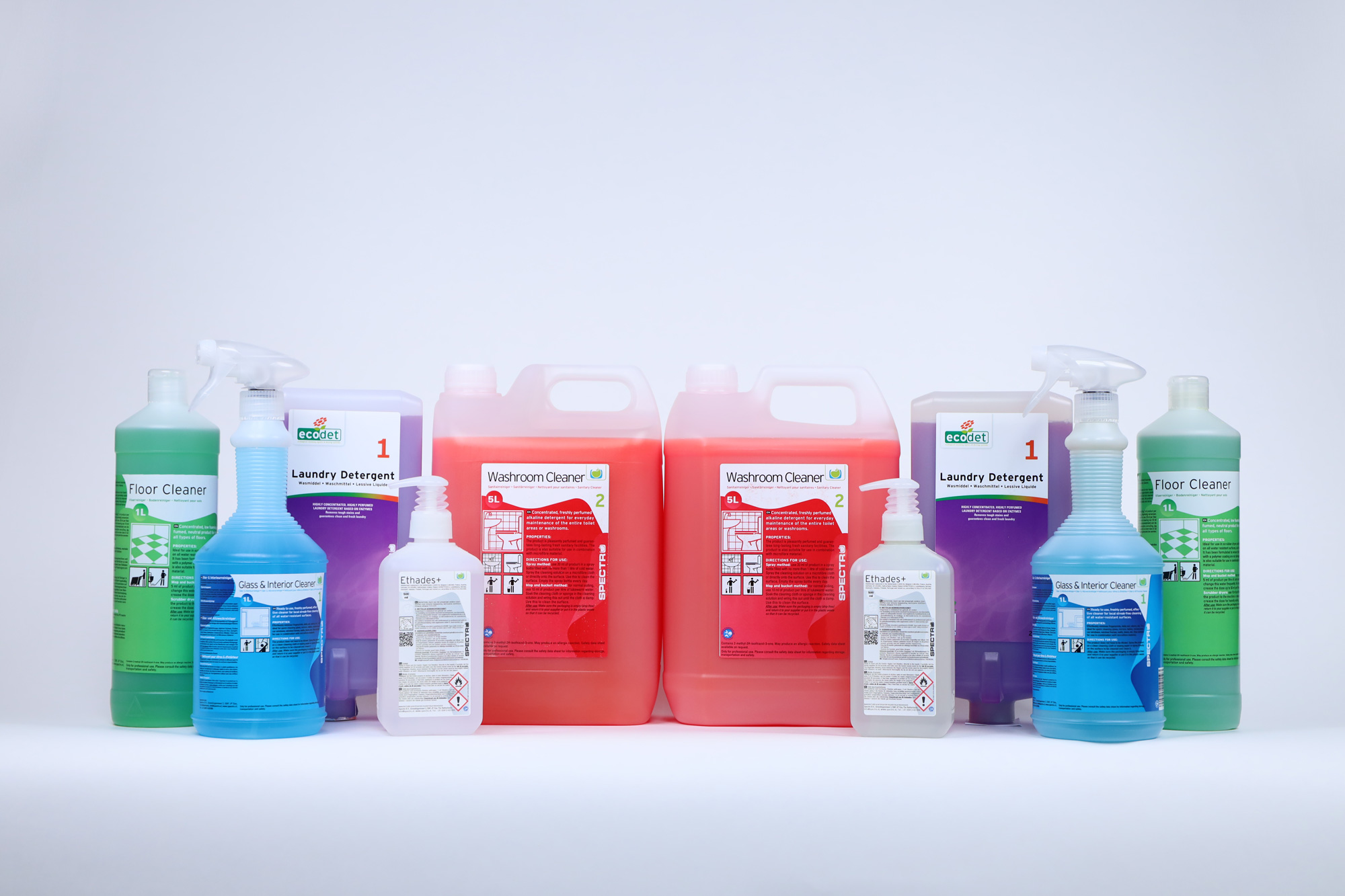

Switching to packaging made from recycled plastic sounds simple. Yet we encounter a number of obstacles. Nevertheless, we continue to do what we can. Three of our ‘runners’ will therefore be given a different look this year. But with the next steps, we could really use your help!
“Technically, it is possible to make packaging that is 100 percent made from recycled plastic,” explains buyer Rob Kuijpers. “However, we don’t always opt for that. Take those three packaging items that we are going to modify. Those will soon consist of 50 percent recycled material. That is due to three important bottlenecks.”
Bottleneck 1: getting used to takes time
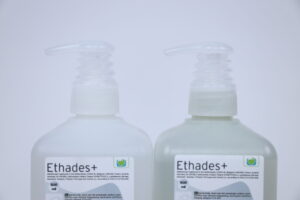
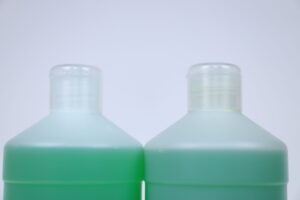
“Purchasers from government agencies are increasingly asking for sustainable packaging materials. Furthermore, there is still little attention to this in the market,” says Rob. “We therefore take the initiative to modify packaging ourselves, but we do want them to remain easily recognizable. Recycled plastic looks slightly different than regular plastic, after all.” virgin plastic: less transparent and a bit yellowish brown. Customers will have to get used to that. That takes time.”
“Besides, the manufacturers of packaging also need to get used to it,” says Rob. “Some producers still don’t want to work with recycled material, partly because the material is still more expensive than the original material.” virgin variant. Therefore, we switched manufacturers for one of our packaging solutions. That was quite a hassle. For example, we had to move the mold, which weighs a few tons, and it’s also not yet clear whether it will fit on the machines of the new manufacturer.”
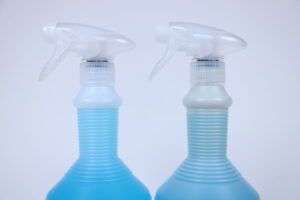
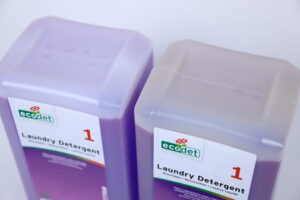
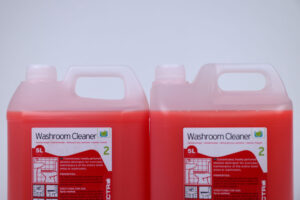
Bottleneck 2: laws are strict
The rules for packaging recycled plastic are strict. That makes the transition complicated and the purchase more expensive. Rob gives three examples:
- The use of recycled material in UN-approved packaging is still difficult. Here, improvements appear to be coming by 2025.
- During transport, used packaging must be empty. But what exactly is empty? The rules are so precise that many people find them confusing.
- You are not allowed to put any product in recycled packaging at all. This rule is in place to prevent harmful substances from the plastic from ending up in the packaged product.
“The last point is logical for cosmetics,” explains Rob. ”Of course, you don’t want hand soap to become contaminated and for people to use it to wash their hands. For the cleaning products we supply, the laws don’t have to be so strict. But we do need to take that into account.”
Bottleneck 3: collection could be improved
Recycling plastic can only happen if used plastic is collected properly. Rob: “We help our customers with that. For example, we provide collection containers that clearly state what is allowed to be put in them. We take those containers back for free when we are at the customer’s place. Unfortunately, very few packaging items are returned.”
“We don’t quite know how that happened,” continues Rob. Should we provide more information? Or can we make it easier for our customers in some way? Tips are welcome!”
Long breath
All the bottlenecks together make recycling plastic packaging a significant challenge. “That’s why we’re doing it in phases,” Rob said. “We’re now moving on to packaging with fifty percent recycled plastic. We’re increasing this percentage. By the end of 2025, we’re expected to be at one hundred percent. This will put us ahead of the legislation that’s set to come from the EU. From 2030, the amount of recycled plastic should be 35 percent and by 2040 65 percent.”